
Korean Firms Drive Global Growth in K-Fashion and K-Food Markets
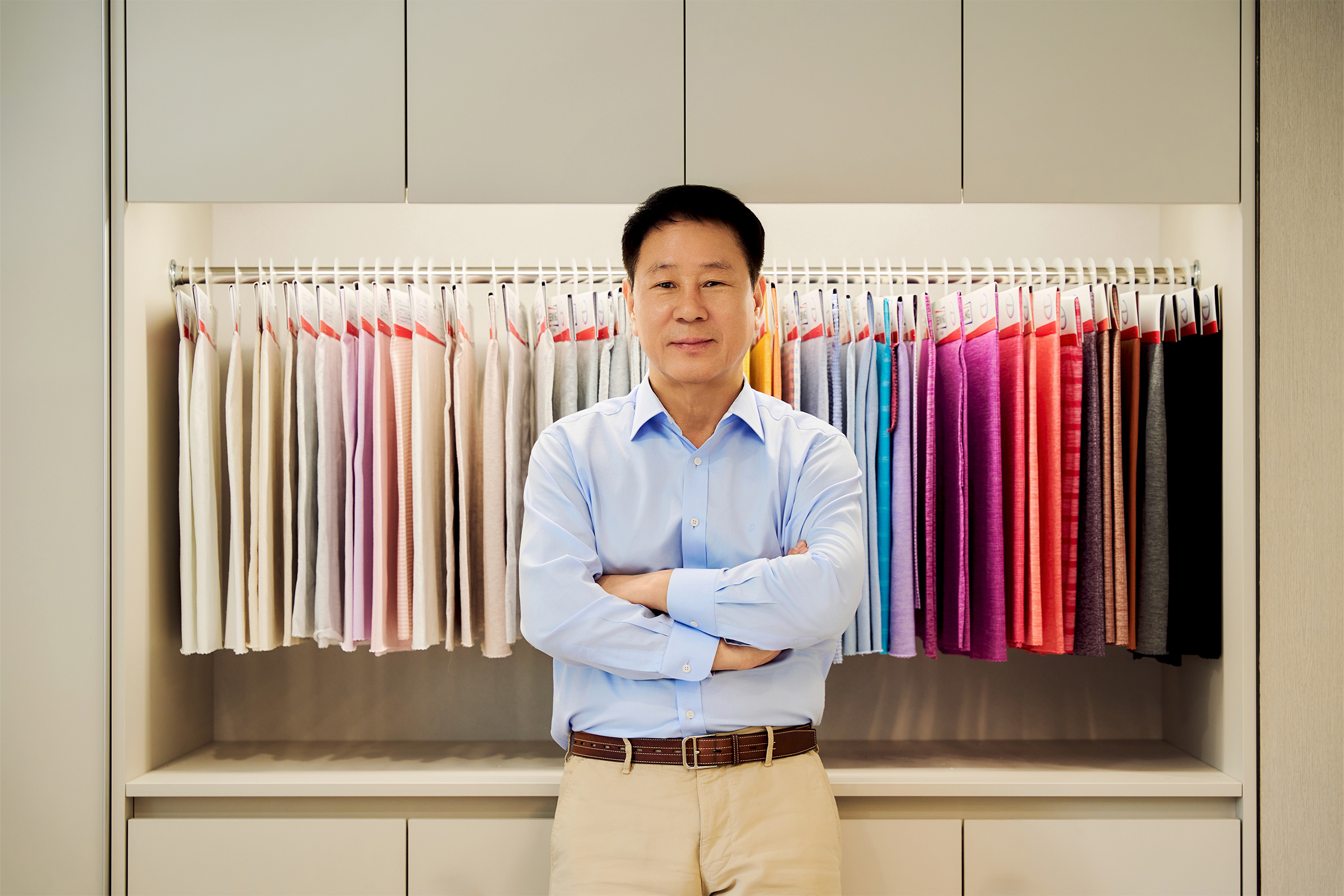
South Korean enterprises are fueling the international expansion of K-fashion and K-food through specialized textile production and seaweed supply chains.
Driving the K-Fashion Expansion
The global surge in popularity for South Korean fashion trends is supported by a sophisticated network of domestic companies specializing in high-quality textile expertise. These organizations provide the foundational materials and manufacturing precision required to meet rising international demand for Korean-designed apparel.
By leveraging advanced technical capabilities in fabric development, these firms ensure that K-fashion brands can scale their operations across diverse global markets. This industrial backbone allows retail trends originating in Seoul to transition rapidly into international mainstream fashion ecosystems.
Advancing the Global K-Food Movement
The global appetite for Korean cuisine is increasingly sustained by robust supply chain management and large-scale production of traditional staples. A primary driver in this sector is the industrialization of seaweed production, which has become a significant export commodity as international consumers seek healthy snack alternatives.
Key aspects of the K-food supply chain include:
- Seaweed Production: Scaling cultivation to meet the massive demand for dried seaweed products globally.
- Supply Chain Reliability: Ensuring consistent quality and availability for international distributors.
- International Expansion: Establishing logistics networks that connect Korean producers directly with foreign retail markets.
These companies focus on maintaining the integrity of traditional ingredients while implementing the logistical scale necessary for global distribution. This combination of culinary authenticity and industrial reliability has positioned Korean food products as stable fixtures in the international grocery landscape.
The Role of Industrial Infrastructure
The success of these lifestyle trends relies heavily on the underlying infrastructure provided by South Korean manufacturing and agricultural sectors. Rather than focusing solely on consumer-facing brands, these companies manage the complex processes of resource extraction, material science, and global logistics.
Through these efforts, South Korean firms have created a sustainable model for cultural exports, ensuring that the rise of K-culture is backed by reliable production capabilities and a steady supply of essential goods.